
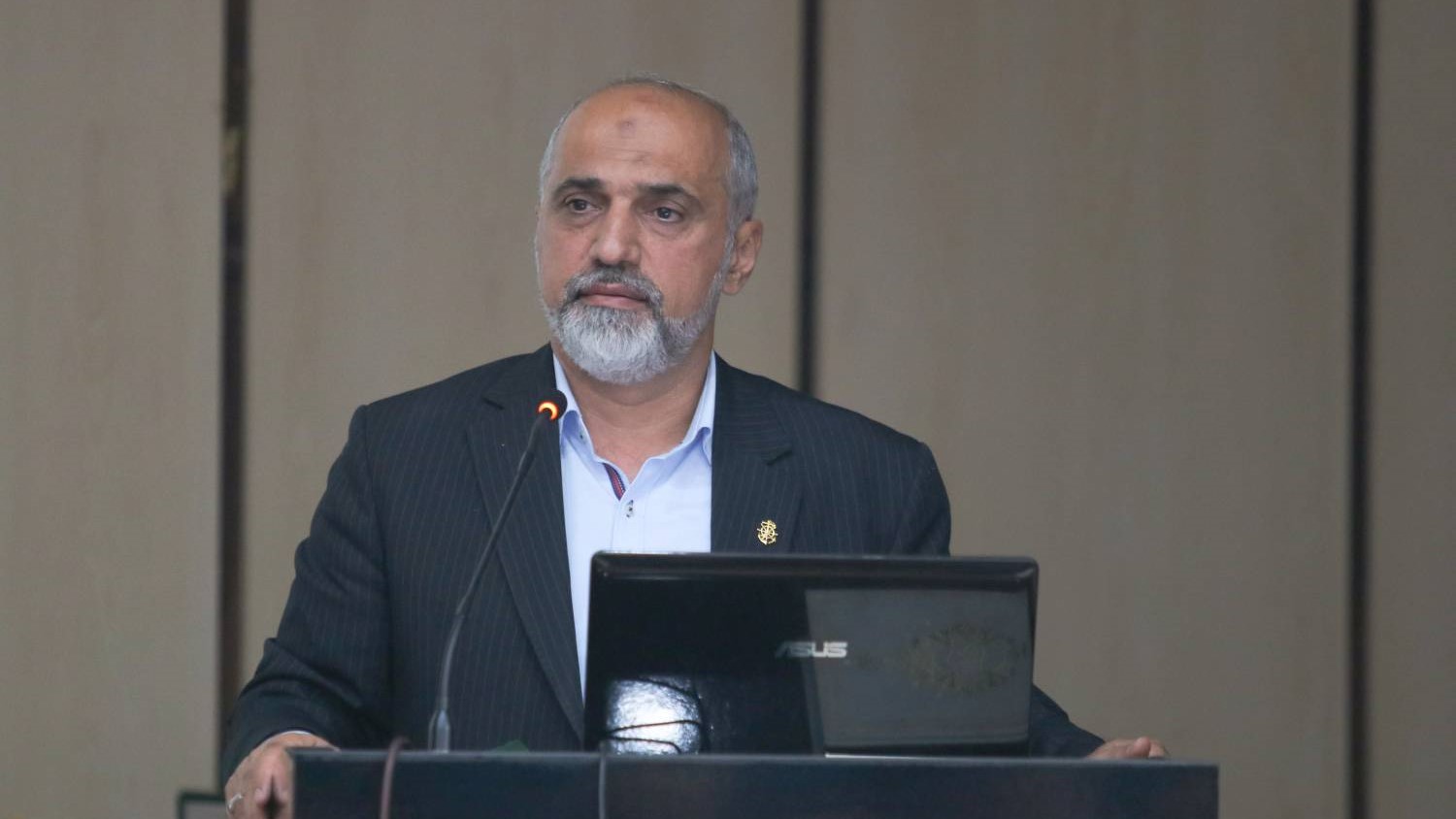
The Deputy Head of Maritime Affairs and Member of the Board of Directors of the Ports and Maritime Organization of Iran stated that the pilotage guidelines are currently under review and emphasized that pilots’ professional opinions and operational experience must be taken into account in the process of drafting, revising, and improving these guidelines.Ali Akbar Marzban, speaking at the First Annual Conference of Negin Sabz Ship Pilots, praised the efforts of pilots and maritime service personnel and said:“Seafarers, pilots, and all those working in maritime service offices—from cleaning staff to operational teams—are all members of one family. ”Referring to the first annual pilots’ conference, he noted that the event was held based on a contractual framework between the Ports and Maritime Organization and three pilotage companies, namely Negin Sabz Middle East, Hedayat Keshti, and a subsidiary of Khatam al-Anbiya Construction Headquarters. He suggested that such conferences be held every six months, rotating among the three companies operating in the southwest, southeast, and northern regions of the country.Marzban highlighted the absence of documented outcomes from such events and stressed the importance of compiling conference findings into written reports, books, or professional bulletins. He proposed the publication of a specialized bulletin every six months, focusing on pilotage, tug operations, and practical maritime experience, noting that the respected journal Bandar & Darya could be utilized for this purpose.He added that given the existing five-year contracts with pilotage companies, regular publication of these bulletins could result in a valuable body of maritime knowledge over the next decade, serving as a rich reference for the industry.Emphasizing the need for technical and expert-level coordination, Marzban called on the three pilotage contractors to hold regular quarterly meetings aimed at experience sharing, knowledge transfer, and operational coordination.Addressing the importance of human capital, he stated:“Human resources are national assets. In the northern ports, Negin Sabz Middle East possesses valuable equipment and highly skilled human capital; however, further strengthening is required in both human and technical capacities. Pilots are valuable assets whose rights, welfare, and benefits must be duly considered.”He further stressed that in-service training should be continuous, structured, and closely monitored by senior management, rather than limited to occasional ceremonies or seminars.In his concluding remarks, Marzban pointed out that pilotage-related incidents often occur between the time a pilot boards a vessel and the completion of berthing operations. He reiterated that the pilotage guideline is under revision and that pilots’ insights must be incorporated into the updated framework. He also emphasized the need for a systematic approach to accident analysis—from anchorage areas to access channels and turning basins—and the development of safety modules aimed at enhancing the overall safety of berthing operations.
Free consultation and answers to all your questions...
Saturday to Wednesday 9am to 6pm... Thursday 9am to 2pm
Negin Sabz Middle East Marine Engineering and Services Company started its activity in 2004 and succeeded in carrying out more than 20 projects and gaining abundant and valuable experiences. Increasing capacities, the need to expand activities and assigned tasks caused this management to establish Negin Sabz Marine Engineering and Services Company with the investment of the Pension Fund of the Ports and Shipping Organization, as the most experienced dredging operator in the country and with the most equipped and modern dredging equipment in the country, with an eye on the future.